
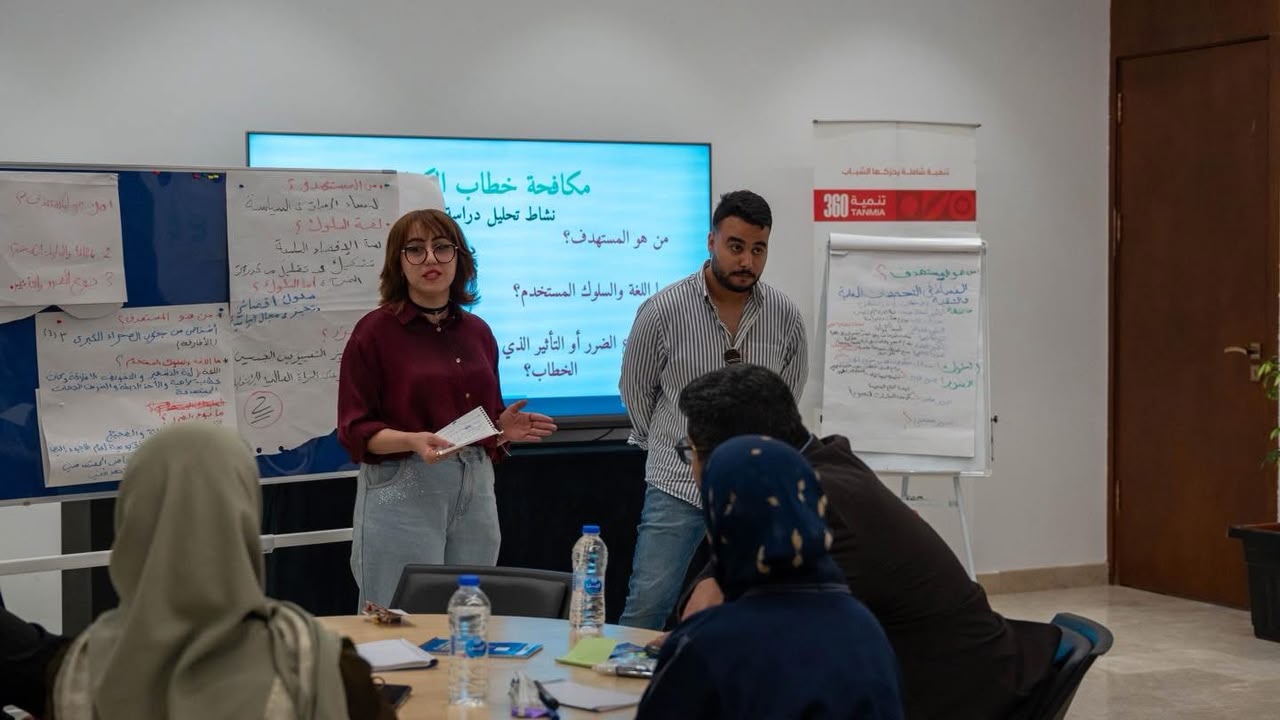
We live today in an unprecedented information overload, with news and content flooding our screens around the clock. In this complex digital environment, uncritical acceptance of information poses a threat to social harmony and intellectual stability. Therefore, the "Developing Critical Thinking Skills" workshop focused on equipping participants with the necessary cognitive tools to distinguish between reliable and unreliable information.
What are “critical thinking sensors”?
Critical thinking is not constant skepticism, but rather "examining thinking" that aims to evaluate ideas and arguments based on objective evidence rather than emotions or preconceived notions. Activating these critical senses means not accepting any information as absolute truth without asking fundamental questions. Who said it? What is the source? What is the publisher's interest? And is there any concrete evidence?
Detecting logical fallacies: tools and methods
Logical fallacies are rhetorical tricks used to pass off weak or misleading ideas by making them seem logical at first glance. The practical training focused on identifying the most common of these fallacies, including:
-
The straw man fallacy: Distorting the other side's opinion to make it easier to attack them.
-
Appealing to emotion: Exploiting feelings of fear or sympathy in the audience to push through an illogical conclusion.
-
Hasty generalization: Making a sweeping judgment about a society or a particular group based on a single individual case.
Practical steps towards critical and objective thinking
To build a critical mindset capable of making informed decisions, we always recommend following a three-step scientific methodology before adopting or sharing any idea:
-
Distinguishing between fact and opinion: The truth is supported by figures and evidence, while the opinion expresses the writer's personal viewpoint.
-
Searching for bias: Analyzing the content to ensure it is free from ideological or political biases that may obscure the truth.
-
Reaching independent conclusions: Formulating your own vision based on comparing different sources, rather than blindly following trends or majority opinion, is essential. Developing these skills is the cornerstone of building a sound civic mindset that protects our societies from intellectual manipulation.